5 Gentle Ways to Ease Your Senior Dog's Joint Pain
By Dr. Elena Ruiz
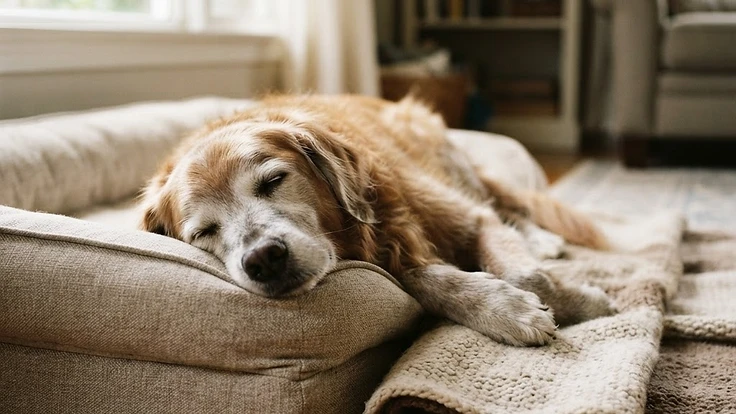
Practical, vet-informed habits that keep aging dogs comfortable and mobile.
As dogs age, their joints pay the price of a lifetime of enthusiastic living. Cartilage thins, inflammation creeps in, and the same body that once launched itself off the couch now hesitates at the stairs. The good news: small, consistent changes make a bigger difference than you might expect — and most of them cost almost nothing.
1. Rethink the floors. Slippery hardwood and tile are hard on stiff, uncertain legs. Each tiny slide undermines a senior dog's confidence and taxes already-sore joints. Add rugs or runners along the paths your dog uses most — from the bed to the door, from the water bowl to the couch. Rubber-backed bath mats work well and are cheap to replace.
2. Raise the bowls. Elevated food and water dishes reduce neck and shoulder strain, especially for larger breeds and dogs with cervical arthritis. The bowls should sit at roughly chest height. This single adjustment often makes mealtime visibly more comfortable.
3. Keep moving — gently. Motion is medicine for aging joints, but the wrong kind of motion makes things worse. Short, frequent walks on soft ground (grass, dirt trails) beat one long exhausting outing. Five ten-minute walks outperform a single hour. If your dog enjoys water and you have access, swimming is gold: full movement with almost no impact.
4. Warmth matters more than you think. Cold and damp amplify stiffness dramatically; this is why so many senior dogs struggle first thing in the morning. A heated bed (specifically designed for pets, with a chew-safe cord) or a simple blanket in a draft-free corner eases morning stiffness remarkably. In winter, a dog sweater isn't frivolous — it's functional.
5. Track the changes. Memory is unreliable, and decline happens so gradually that you adjust without noticing. Keep a simple weekly log: mobility on a 1–5 scale, appetite, willingness to climb stairs, comfort getting up. Share it with your vet at every visit. Patterns are far easier to spot on paper than from memory, and they help your vet decide when to add pain management or supplements.
None of this reverses time. But together, these habits give your senior dog more good days — and good days are everything. The goal isn't to add years to their life so much as life to their years.
And please: don't wait for obvious limping to consult your vet. Dogs hide pain expertly. A subtle reluctance, a slower rise, a new preference for one side — these are worth a conversation. Modern veterinary pain management is gentle and effective, and earlier is always better.