Why Losing a Pet Hurts So Deeply, and How to Begin Healing
By StoriedTails Editorial
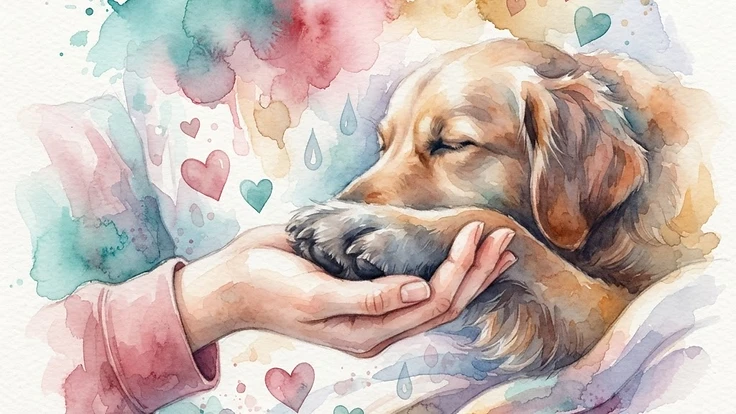
The grief of losing a pet is real and profound. Understanding why it hits so hard is the first step toward healing.
If you have ever lost a pet, you know the grief can be staggering. It can knock you off your feet in ways you did not expect. Friends who have not experienced it may not understand. They might say, "It was just a pet," or suggest you should be over it by now. But the truth is, losing a pet is one of the most profound losses a person can experience, and the grief it brings is entirely real.
Why It Hurts So Much
The bond between a person and their pet is unlike any other relationship. Pets offer something rare in human life: unconditional love without judgment, without conditions, without words. They are there when you wake up and there when you come home. They know your routines, your moods, your habits. They become woven into the fabric of your daily life in ways you do not fully notice until they are gone.
When a pet dies, you are not just losing an animal. You are losing a companion, a routine, a source of comfort, a witness to your life. You are losing the sound of paws on the floor, the weight of a cat on your lap, the excited greeting at the door. The silence they leave behind is enormous.
The Grief Is Disenfranchised
Psychologists use the term "disenfranchised grief" for losses that society does not fully recognize. Pet loss often falls into this category. There is no official bereavement leave. There may be no funeral. Well-meaning friends may minimize the loss. This lack of social recognition can make the grief feel lonely and confusing, as if you are not allowed to feel as bad as you do.
But your grief is valid. You are mourning a relationship that was real, daily, and deeply loving. You do not need anyone's permission to feel the full weight of it.
What Healing Looks Like
Grief does not follow a schedule. It comes in waves. Some days you will feel okay, and other days a song, a smell, or an empty spot on the couch will bring it rushing back. That is normal. Healing does not mean forgetting. It means learning to carry the loss alongside the love, until the two can coexist.
Here are some things that can help:
- Acknowledge the loss. Do not try to push past it. Name it. Feel it. Grief needs to move through you.
- Talk about your pet. Share stories with people who understand. If you do not have someone, pet loss support lines and online communities are there for exactly this.
- Create a memorial. A memorial page, a photo album, a planted tree, or a keepsake box gives your love a place to live. StoriedTails was built for this.
- Be patient with yourself. There is no timeline. Some people feel better in weeks. Others need months or more. Both are normal.
- Take care of your body. Grief is physical. Rest, eat, walk. Small acts of care add up.
When to Seek Help
If weeks pass and the grief feels stuck, if you cannot sleep or eat, or if you feel hopeless, reach out to a therapist. Many counselors specialize in pet loss and grief. There is no shame in needing help. There is only the courage of asking for it.
The Love Remains
The pain of losing a pet is the price of loving one so completely. It is a high price, but it is also a testament to something beautiful. You loved a living being with your whole heart, and they loved you back. That love does not disappear. It changes shape. It becomes memory, and story, and the quiet knowledge that you gave a good life to a good soul.
When you are ready, we hope you will tell their story. Not because it will make the pain go away, but because love deserves to be remembered. And somewhere, in a meadow just this side of heaven, your companion is whole and happy and waiting for you.