How to Celebrate a Pet’s Life Story: A Gentle Storytelling Template
By AutoSEO
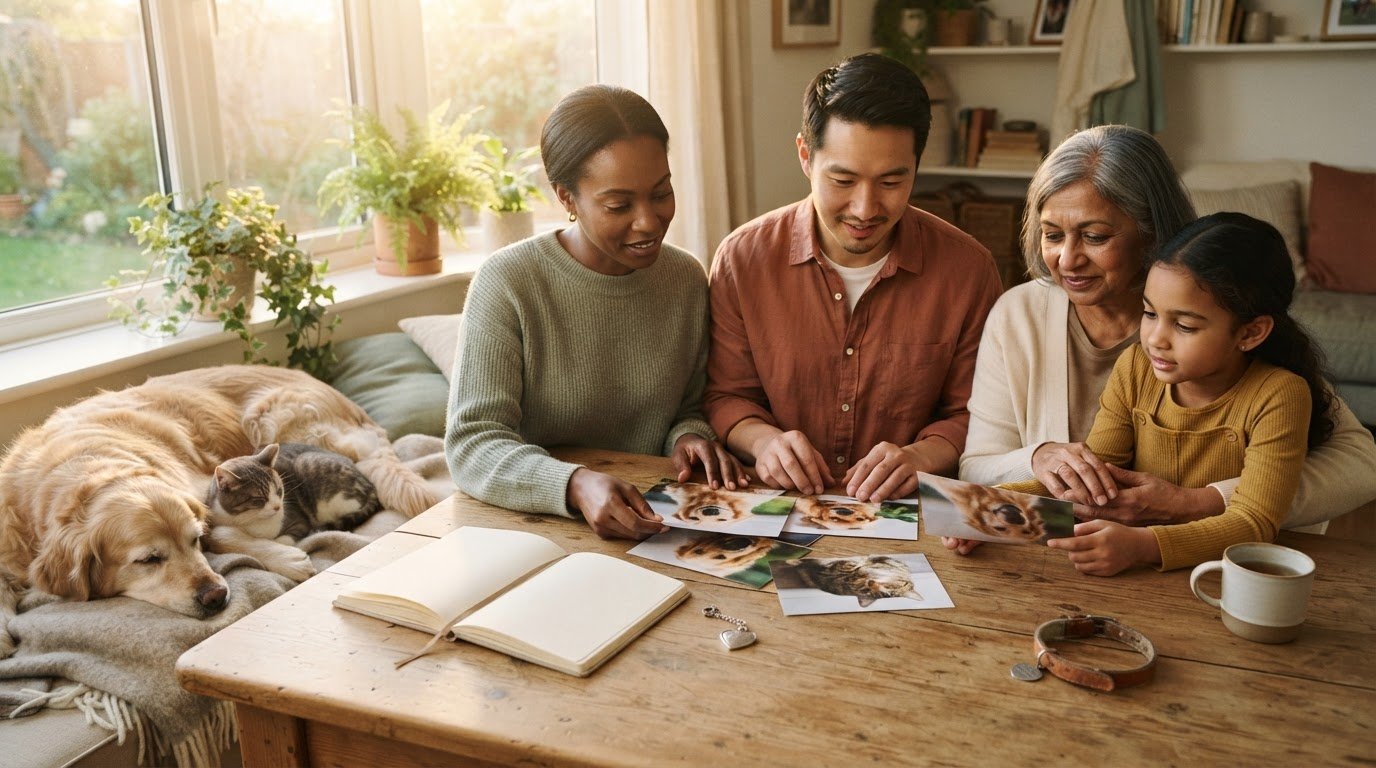
Learn how to celebrate a pet's life story with our gentle storytelling template. Preserve cherished memories, daily routines, and quirks with love and ease.
What if the moments that best tell your pet’s story are the ones that once felt ordinary? The familiar greeting at the door, a favorite place to nap, or the way they seemed to know when someone needed comfort can help you celebrate a pet's life story in a way that feels true to them.
It’s understandable if beginning feels difficult. Grief can make memories feel scattered, family members may remember different details, and a small collection of photos doesn’t mean there’s any less to say. Your story doesn’t need to capture every moment or sound polished. The personal details you shared are what make it unmistakably your pet’s.
This gentle storytelling template will help you gather the moments, routines, relationships, and little quirks that shaped your life together, then bring them into a coherent narrative at a pace that feels comfortable. You’ll find ways to include everyday memories, make room for different recollections, and choose how to revisit or share the story. A digital memorial can offer one place to preserve those memories and keep them accessible to family and friends, whenever they’re ready to remember together.
Key Takeaways
- Think of your pet’s life story as a portrait of their character, relationships, and shared life, not just a timeline of milestones.
- Collect memory fragments first, including sensory details, routines, favorite places, and the small surprises that made your pet unique.
- Use a flexible story structure, then reorder, shorten, or skip parts as you shape a narrative that feels like your own.
- Choose a comfortable way to celebrate a pet's life story, from a private family document to a digital memorial shared with loved ones.
- StoriedTails offers a digital memorial and community hub where families can preserve a pet’s legacy and share their stories.
What does it mean to celebrate a pet’s life story?
A pet’s life story is more than a list of dates, milestones, or the circumstances of their final days. It’s a personal account of who they were, the people and animals they loved, and the life you shared. It might include how they joined your family, what made them unmistakable, the ways they changed your routines, and the memories that still come to mind.
An obituary or memorial message can honor a pet in a few meaningful lines. A life story has room to connect those lines, showing how small habits, relationships, and turning points belong to one particular life. The history of pet memorials offers a wider cultural perspective on how people have made space to remember their animal companions. Your own story can be much more personal: a way to gather what mattered to your family.
Why everyday moments belong in your pet’s story
Routines and familiar quirks often reveal personality more clearly than a list of achievements. Perhaps your cat always settled beside the warmest window, or your dog carried a toy from room to room without ever wanting to play. Maybe your rabbit had a particular way of greeting one family member, or your bird filled a quiet morning with a familiar call. These small details help someone picture what it was like to know your pet.
There’s no need for a dramatic event to make a memory worth keeping. A repeated ritual, an endearing habit, or a quiet moment of companionship can show how your pet fit into the fabric of daily life. These details also make a story feel specific rather than interchangeable. They let readers recognize not just that your pet was loved, but what made them uniquely themselves.
A celebration can hold joy, grief, and gratitude together
A pet’s life story is a personal account of their character, relationships, and the ordinary and defining moments you shared. Remembering that life may bring laughter, tenderness, longing, or several feelings at once. If your pet is still with you, writing can help you notice and preserve the details of your life together now. If they’ve died, recalling those details may feel comforting one day and difficult another.
There’s no required emotional order and no single right moment to begin. You might write a few lines and return to them later, or find that sharing memories with family brings forward details you hadn’t thought of. Some people remember differently, and that doesn’t make one version less true. Each person may have shared a different part of your pet’s life. Gathering those perspectives can offer a fuller portrait, while leaving room for what you’re ready to say and what you’d rather keep private. To celebrate a pet's life story is to make space for the whole relationship, including its everyday joys and the feelings that remain.
How to gather the memories that make your pet’s story personal
Begin with fragments, not a finished story. Jot down a few words, record a voice note, or ask someone to tell you what they remember. You don’t need to start at the beginning or decide what belongs in the final version yet. Gathering first gives memories room to surface naturally, without the pressure of arranging them into a polished account.
Let details lead. A photo might bring back the sound of paws on the hallway floor, the feel of a soft ear, or the way your pet waited near the door at a familiar time. Note routines, favorite places, relationships, expressions, and surprises. Existing notes, keepsakes, or pictures can be helpful memory cues, but they aren’t requirements. Your recollections are enough to begin.
Start with the details only your family would recognize
Look for what happened again and again: the cat who claimed a particular chair, the dog who greeted one person with a toy, or the small household ritual that became part of everyone’s day. Instead of writing only “sweet” or “playful,” capture the moment that shows it, such as how your pet leaned close when someone sat down. If details are hazy, that’s all right. An imperfect note can still open the door to a memory.
If a prompt helps, revisit these memory sources in any order and pause whenever you need:
- Senses: A familiar sound, texture, scent, or expression.
- Routines: Meal rituals, greetings, walks, or bedtime habits.
- Places: A favorite window, path, blanket, or sunny spot.
- Relationships: The way your pet connected with each person or animal.
- Surprises: An unexpected talent, funny reaction, or gentle mischief.
- Reminders: Photos, notes, toys, or keepsakes that bring a moment back.
Bring family memories together without forcing agreement
Invite loved ones to contribute one memory that feels especially theirs. Someone might remember a familiar greeting, while another recalls a quiet moment they shared alone. Those perspectives don’t need to match perfectly to belong together. They reflect different relationships with the same beloved pet. If writing feels hard, a few words, a short voice note, or a quick conversation can be enough; no one needs to produce a polished passage.
As you gather contributions, keep each memory in its own note and include who shared it or what prompted it, if that feels useful. This helps preserve the story’s distinct voices without turning recollection into a search for one definitive version. Later, you can decide which details to weave together and which to keep as separate family memories. There’s no need to settle differences before you begin shaping the story.
Once you have a handful of moments, you can keep them together in a document or preserve them in a digital pet memorial designed for sharing a pet’s legacy with family and friends. Choose a place that feels comfortable, and let collecting memories be enough for now. These first fragments are a gentle beginning as you celebrate a pet's life story.

A simple template for turning pet memories into a life story
Once you have a collection of memories, a simple structure can help you see how they belong together. Think of it as a gentle guide, not a form to complete perfectly. You might move from your pet’s beginnings to their character, the routines you shared, a few meaningful moments, and what remains with you. Use only the parts that suit your story.
Choose a structure: timeline or themes
A timeline follows life stages, such as joining the family, settling into a home, and growing older. A thematic structure groups memories by qualities or patterns, such as companionship, curiosity, or favorite rituals. Choose the approach that fits the memories easiest to recall. If milestones and repeated routines both matter, blend them: place a meaningful event within the larger pattern of daily life.
Here’s a short outline to adapt, with no need to fill every part:
- Beginnings: How your pet became part of your life.
- Personality: The qualities and habits that made them distinct.
- Shared routines: Everyday moments that shaped life together.
- Meaningful moments: A few experiences that brought your bond into focus.
- What remains: The memories, feelings, or ways of living that continue.
For a timeline, arrange these sections in the order they happened. For themes, keep the same headings but group memories by what they reveal. You can shorten a section to a sentence, change the order, or leave one out. The outline should serve your story, not make it feel as though anything is missing.
Connect the moments with the bond you shared
A memory becomes part of a larger story when you add what it meant to you. After describing one specific moment, use a simple transition such as, “That small ritual became our way of welcoming each other home,” or “I came to rely on that quiet company.” These lines connect what your pet did with the relationship you shared, without requiring grand conclusions or ornate language.
Concrete details make a pet’s story feel personal because they show how love took shape in shared life. Let description and reflection take turns: name a habit, then say what it meant; recall a moment, then connect it to the bond. This balance keeps the tribute centered on your pet while making room for your own perspective.
You don’t need to tell everything. A few well-chosen sections can hold a whole relationship with care. When you’re ready to celebrate a pet's life story, let the outline help you begin, then follow the memories that feel most true.
Ways to celebrate and share your pet’s story at your own pace
Sharing your pet’s story doesn’t have to mean making it public or deciding on one final format. You might keep a few lines for yourself, gather family memories in a document, or create a digital memorial that helps loved ones revisit the story together. The right choice is the one that feels comfortable for you and suits the memories you want to hold onto.
This can be meaningful while your pet is still part of your daily life, too. A written or photo-supported story can capture favorite routines and changing seasons as they happen, giving you a chance to celebrate the bond you share now. After a loss, the same formats can help preserve memories and make room for others to remember alongside you. There’s no required timeline for writing, sharing, or returning to the story.
Decide who you want to share the story with
Before choosing a format, consider who the story is for: you, your household, close friends, or a wider community. A private version can be a gentle first step, leaving you time to shape your words before deciding whether to share them more broadly. If you include someone else’s memory or photograph, ask whether they’re comfortable having it included and shared. Their wishes matter, especially when a memory feels personal.
Let the format support the memories
A written account is simple to revisit and easy to keep private or share with selected family members. Adding photographs can help connect particular images with the moments and relationships they bring to mind. A digital memorial offers another place to preserve a pet’s legacy and share their story with friends and family. Each format supports remembrance differently, and you can choose one, combine them, or change your approach over time.
If you’re weighing what an online tribute might offer, this digital pet memorial guide explores how to think about a lasting digital remembrance. Whatever you choose, let the story remain yours. You might share a small part now and keep other memories close, or invite relatives to add their own reflections when they’re ready.
To celebrate a pet's life story, you don’t need to reach a particular audience or create a finished tribute all at once. Begin with the people who feel safe to share with, then let your comfort guide what comes next. If you’d like a place to preserve and share your pet’s legacy, explore StoriedTails.
Preserve your pet’s life story with a thoughtful next step
You’ve begun by collecting the moments that feel true, then finding a shape that helps them sit together. Now consider how you’d like to keep the story. It doesn’t have to be finished or perfectly polished to be worth preserving. A few carefully chosen details can hold the beginnings of a larger account, ready to grow as more memories return.
Make the story easy to revisit over time
Leave room for the story to change as you remember more. A familiar routine might come to mind weeks later, or a family member may share a detail that adds another shade to your understanding. Let the account stay open to those additions, whether your pet is still beside you or you’re remembering them after a loss. Milestones matter, and so do the ordinary moments that filled the days between them.
Preserving a story isn’t about capturing every detail in one sitting. It’s about gathering what matters in a form you can return to, add to, or share as it feels right. A private document may suit a story you’re keeping close. If you’d like family and friends to have a place to remember together, a digital memorial can offer another way to hold and share the account.
Take one small next step when you feel ready
Choose one memory to begin: a familiar greeting, a shared walk, or the way your pet made a room feel different. Write a sentence, save a photograph with a note, or simply keep the detail somewhere you can find it again. That small beginning is enough. You can let the story grow gradually, in your own words and at a pace that respects how you feel.
StoriedTails is a digital memorial and community hub designed to preserve pets’ legacies. Its purpose includes sharing and celebrating pets’ stories with friends and family, helping keep those memories accessible to the people who care about them. You can use it as a place to bring your pet’s story together and revisit what made your life with them distinctly yours. There’s no need to have every part ready before taking a look.
Whether you’re honoring a living companion or remembering one who has died, you can celebrate a pet's life story through the details that mattered to you, preserved in a way that feels personal. If and when you’re ready, discover StoriedTails as one thoughtful place to preserve and share your pet’s legacy.
Let your pet’s story keep unfolding
A tribute doesn’t have to feel finished to be meaningful. You can return to it when another memory surfaces, add a loved one’s perspective, or simply keep one small detail close. The story can change as your understanding of your bond grows, whether you’re celebrating a pet who’s still by your side or remembering one you miss.
Choosing to celebrate a pet's life story is a way to give those memories a place beyond the moment they arise. StoriedTails is a digital memorial and community hub created to preserve pets’ legacies and share their stories with friends and family. Let your next step be a small one, guided by what feels right for you.
Explore StoriedTails and preserve the stories you hold dear. Your pet’s story is yours to shape, and every detail you choose to keep can help carry your connection forward.
Frequently Asked Questions
How do I start writing my pet’s life story if I feel overwhelmed?
If the whole story feels too large, try speaking one memory aloud and capturing it in a voice note. You could describe a single scene, such as the first time your pet settled into a new room, without deciding where it belongs in the final account. Later, you can write down the details you want to keep. Starting with a moment makes the task smaller and gives you something specific to return to.
Can I celebrate my pet’s life story while they are still alive?
Yes, you can record your story while your pet is living, without framing it as a goodbye. Add a small note after a new experience, such as learning a routine together or reaching a familiar seasonal milestone. Including when a memory happened can help you notice how your shared life changes over time. Keep it as a personal record or revisit it later; it can simply be a way to pay attention to your companionship.
What if my family remembers my pet differently?
Different recollections can sit side by side without needing one person to decide which version is correct. You might label each contribution with the person’s name, then let them describe the memory in their own words. If two people recall the same event differently, include both viewpoints or focus on what each remembers most clearly. This approach honors individual bonds and keeps the shared account welcoming rather than turning it into a debate.
Do I need photos to tell my pet’s life story?
No, you can tell the story through words alone. A familiar sound, a walking route, or the way your pet responded to a particular voice can bring a scene to life without a picture. If you do include photos, a brief caption can note who was there or what happened just before the moment was captured. That context can make an image meaningful even if it isn’t posed or especially polished.
Is it too late to write my pet’s story after they have died?
No, there’s no deadline for writing about a pet who has died. You can begin with one memory you can access now, even if it feels incomplete, and leave space to add more later. If a detail is hard to recall, you might ask someone who knew your pet to share what they remember, without feeling obliged to write immediately. A few honest lines can be a meaningful tribute, even if the story remains unfinished.