Ways to Honor a Deceased Pet in Everyday Life
By AutoSEO
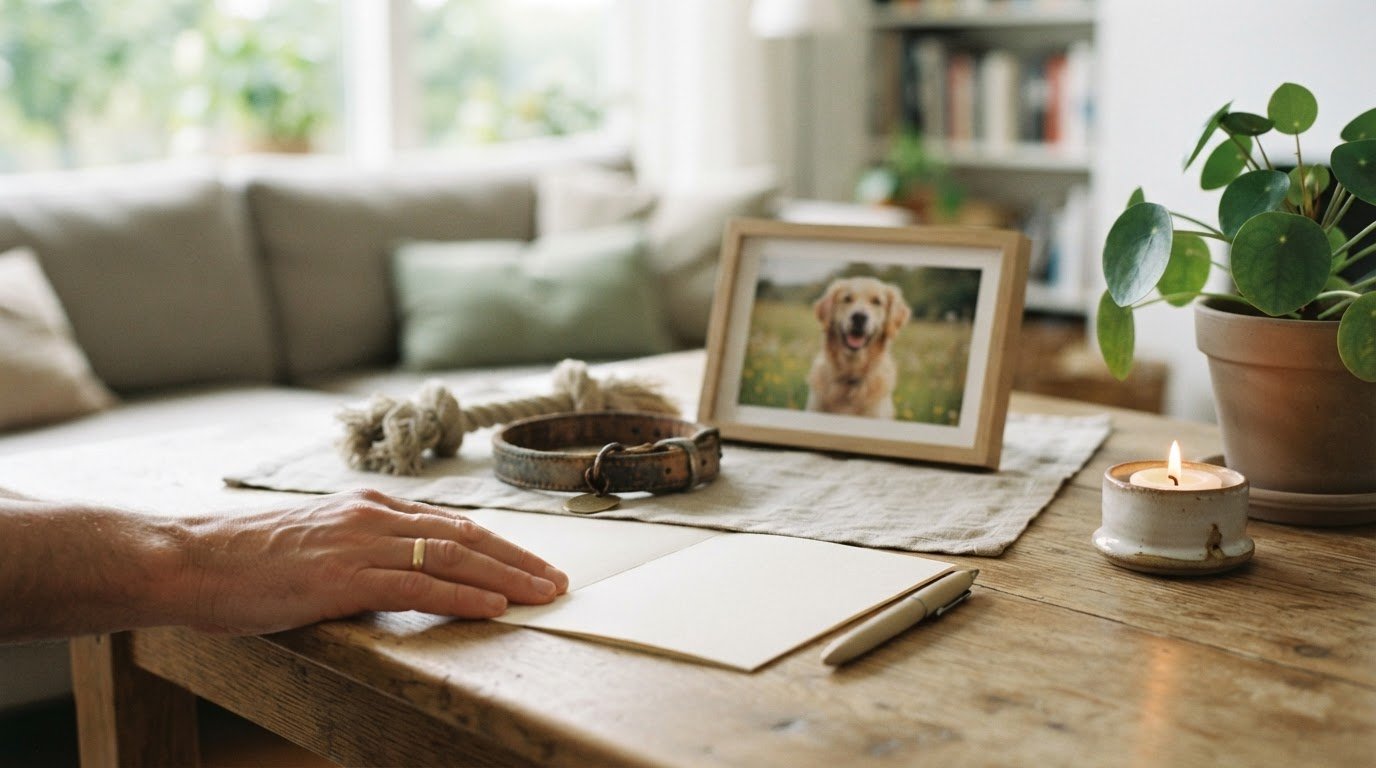
Explore meaningful ways to honor a deceased pet with no-cost tributes, keepsakes, home rituals, and shared memories that bring comfort to everyday life.
Honoring your pet doesn’t have to cost anything. Free ways to honor a deceased pet include writing a letter, revisiting favorite photos, sharing stories, or returning to a familiar place. Choose a tribute that reflects your bond, whether it’s a quiet moment alone or a memory shared with family.
It’s natural to want a meaningful way to remember the companionship, routines, and small moments that made your pet part of everyday life. A tribute doesn’t need to be elaborate to matter. Simple acts of remembrance can give those memories a gentle place in your day.
This article offers practical ideas for honoring your pet at home, creating a personal ritual, and remembering them with loved ones. These no-cost ways to celebrate their life can be adapted to your pace: choose what feels comforting now and return to other ideas later.
Key Takeaways
- Choose a keepsake that feels personal, such as a collar, favorite toy, photograph, or paw-print impression.
- Create a quiet place to remember your pet, or invite loved ones to share stories in a small memorial gathering.
- Bring favorite moments together in a photo album, video, or artwork that reflects your pet’s personality.
- Make remembrance part of everyday life with a gentle ritual on a meaningful day or during a regular moment of reflection.
- Try no-cost tributes, such as writing a letter, revisiting a familiar place, or sharing a cherished memory with someone who understands.
1. Keeping a pet's water bowl or a keepsake
A familiar object can keep your pet’s memory present in everyday life. You might leave their water bowl in its usual place or display a collar, tag, or favorite toy. If seeing the bowl brings comfort, keep it there; if it feels painful, put it somewhere private and revisit the choice later. A family member can help choose a lasting tribute that feels right for everyone.
Start with an item tied to a clear memory: the leash used for morning walks, a toy softened by years of play, or a tag bearing your pet’s name. Place it on a shelf, beside a framed photograph, or in a small garden remembrance space. A paw-print impression or clay mold can preserve a detail you remember by touch. Your veterinarian may be able to make a paw print or provide a fur clipping.
What is the difference between pet cremation and burial? Cremation reduces a pet’s remains to ashes, which may be returned in an urn, wooden box, or biodegradable container. Burial places the pet’s body in the ground, giving families a chosen resting place to visit.
What are the steps for arranging pet cremation or burial? Decide which option feels right, then tell the veterinary practice what you’d like arranged and whether you want a keepsake. For burial, choose a resting place; for cremation, decide whether you want ashes returned or a communal cremation keepsake.
Cremation can connect remembrance with a wearable keepsake. Some jewelry holds a small portion of ashes; other pieces use a charm representing the pet. Pet ashes may also be incorporated into custom glass art or a paperweight. Choose something you’ll feel comfortable wearing or keeping close, and consider whether you prefer a subtle symbol or a visible reminder.
A memory box gathers small reminders of a pet’s life in one place. Children can help choose toys, a collar, photos, or a lock of fur, then add a note about a favorite habit. Use a sturdy box and arrange the items so family members can open it gently. Keeping the box private can be just as meaningful as displaying it.
A personal tribute can be as simple as writing a letter, recording a memory, or saving a favorite photograph with a few words about its story. Describe the sound of paws at the door or the way your pet settled beside you. When you’re ready, add the letter or photograph to the memory box, or keep it somewhere you can revisit in your own time.
2. Memorial services and dedicated home spaces
A small memorial can give friends and family a shared way to say goodbye. Hold it at home, in a park, or at a cremation provider’s facility, and invite each person to participate as they wish. One guest might read a poem, another might share a story, and someone else could light a candle. There’s no single tradition every family has to follow.
In the United States, rules for burying a pet at home depend on applicable town or city laws. Check the local rules for your property before choosing a burial place, since they determine whether and how a pet may be buried there.
For a home gathering, display a photograph and invite attendees to share a favorite memory, such as a dog’s greeting at the door or a cat’s favorite sunny window. A short service might include personal letters, poetry, or a photo tribute. If children attend, let them choose whether to speak, draw, or simply sit with the family. They can participate privately and at their own pace.
A dedicated home memorial can be a shelf, a small table, or a garden corner. For a garden remembrance, choose a meaningful spot, plant a tree or flowers, and tend them as a living tribute. Add a simple marker or a smooth stone with your pet’s name. Watering the plants or noticing new growth can become a gentle routine that brings your pet’s memory into the changing seasons.
Talking about your pet keeps their familiar habits present in family life. Share the story of a favorite walk, a playful greeting, or the way they settled beside someone on a quiet evening. Friends can bring their own memories to a gathering, reflecting the different connections your pet formed. You might also honor your pet by donating supplies to a shelter or supporting a local rescue in their name.
Popular memorial gifts include jewelry containing a small amount of ashes or a charm representing the animal, custom glass art, and paperweights made with ashes. Memorial tattoos can feature a name, paw-print design, or another personal symbol. Choose a tribute that suits the recipient and the bond they shared with the pet.
Children can remember a pet by drawing a picture, writing a few words, or helping choose a garden plant. Invite them to share stories without expecting them to take part in a ceremony; their way of remembering may be quiet or creative. A family member can preserve their drawing beside a photo, giving the child something tangible to revisit.
If you’d like to gather stories and photos in one shared place, a digital pet memorial and community hub can help keep a pet’s life story accessible to loved ones.
3. How Do You Honor a Deceased Pet?
A photo album can preserve the ordinary moments that made your beloved pet part of family life. Choose pictures of familiar scenes, such as a dog curled beside the sofa or a cat watching birds. Add short captions with names, places, or the story behind each photo. These details preserve more than posed portraits.
For a scrapbook, arrange photos alongside a picture of a favorite toy, a birthday note, or a family member’s drawing. Leave space for stories about a playful greeting, a beloved walking route, or a quiet evening together. Children can contribute pictures or a few words, making the book a shared tribute to different memories.
A video tribute can bring together short clips, photographs, and a song meaningful to your family. Start with a photo from your pet’s younger days, then add moments from ordinary routines, such as playtime or resting in a favorite place. Keep the sequence simple, and add brief captions with dates or names to help loved ones follow the story.
Custom artwork offers another way to remember your pet’s individual character. You might commission a portrait from a clear photograph or draw a distinctive feature, like one floppy ear. A family-made collage can combine pictures, written memories, and colors associated with your pet. The result can feel personal without looking like a formal portrait.
Some families ask their veterinarian about photographing a pet before euthanasia or after death. A veterinarian may support a family’s request, and each person can decide whether those images belong in a private album or shared tribute. If you’re unsure, save the photographs separately from everyday pictures so you can choose when, or whether, to revisit them.
Choose a frame that fits the photograph and the place you want to display it. A standard picture frame has about a quarter inch of depth behind the glass, so it suits a flat photo, not a bulky keepsake. For a deeper arrangement, an 8x10 or 11x14 shadow box can hold a collar, a photograph, and two or three small items.
Place the display where family members can pause without making the image unavoidable. A photo beside a reading chair, for example, offers a quiet place to remember. Add a handwritten caption with your pet’s name and a small detail, such as “Milo loved the garden gate.” That specific memory can make the tribute feel personal and lasting.

4. Creating a regular time to remember
Choose a moment each week to remember your pet, such as Sunday morning or a quiet evening. A weekly check-in can take about ten minutes. Look through a favorite photograph, name one memory, or sit near your pet’s usual resting place. A regular ritual makes room for remembrance in everyday life without requiring a formal ceremony.
Keep the ritual simple enough to repeat. You might write one sentence about a memory, play a familiar song, or walk a route your dog loved. If your pet was a cat, spend a few minutes beside the window where they watched birds. Specific details can make the time feel personal, not like another task.
A birthday or adoption day can become an annual day of remembrance. Light a candle, revisit a favorite photo, or share a story over dinner with family. A small treat beside a framed picture can mark the day, while a letter lets you express love and gratitude in your own words. Choose a date that feels meaningful to you.
Some families make a larger yearly tradition. Jamie Cherry watches a home movie of her dogs at least once a year, while Sheryl Bauerschmidt marks July 26 as Birdie Day. These examples show how a date or shared activity can hold a pet’s memory. Your ritual might be as quiet as replaying a video or as social as inviting friends to share stories.
Returning to a familiar routine can keep your pet’s presence connected to daily life. If walks were part of your time together, start gradually with a short route or a visit to a favorite park. You might bring a photograph or pause somewhere your dog enjoyed. After pet loss, feelings can change from day to day; a difficult walk doesn’t take away the comfort of other days.
Let the ritual change as your needs shift. One week, you may want to write a letter; another, you may prefer a quiet moment while making coffee. If grief feels too heavy to manage alone, a pet-loss support group or a counselor specializing in pet loss can offer a place to talk. A veterinarian or pet care provider may also have resources to share.
Betsy Burson used three to four colors of ground chalk as part of her dog’s ritual. A candle or treat can mark a birthday or adoption day.
5. Free ways to honor a pet
A meaningful tribute can begin with what you already have: time, memories, and a willingness to reflect. Choose a favorite moment, such as your dog greeting you at the door, and write down what you remember. A few honest sentences in a notebook can preserve details that photographs may miss, including a familiar sound, habit, or feeling.
Try writing a letter to your pet when words feel easier than conversation. Tell them what you miss, what made you smile, and what you’re grateful for. You could also write a short story from your pet’s perspective, imagining what they might say about a favorite walk or sunny windowsill. Keep the letter private, read it aloud, or add it to a journal.
A familiar place can offer a gentle setting for remembrance. Walk a route your dog loved, sit on the bench where you rested together, or visit the garden where your cat watched birds. You might pause, name a memory, and leave without turning the visit into a larger ceremony. If the place feels difficult today, choose another time or a quieter setting.
Sharing a story costs nothing and helps loved ones remember your pet beyond the loss. Tell a friend about the time your cat stole a warm seat, or invite family members to describe a small habit they still recall. Children can draw a favorite scene or dictate a memory for an adult to write down. These simple acts let everyone participate in a manageable way.
If helping animals feels meaningful, volunteer with a local shelter or rescue in your pet’s honor. You could assist at an event, organize donated supplies, or share information about an animal waiting for a home. Choose an activity that fits your time and energy. You can also make a personal promise to practice a quality your pet embodied, such as patience, curiosity, or joyful attention.
Free remembrance can be private, shared, or renewed over time; it doesn’t need jewelry, a purchased keepsake, or a formal service. Choose one action that feels gentle today, then let it change as healing unfolds. If you’d like to preserve your pet’s stories and photos in a shared online tribute, create a digital pet memorial for loved ones to revisit.
StoriedTails: Digital pet memorial and community hub
StoriedTails offers a digital pet memorial and community hub where you can keep your pet’s life story, photos, and memories together. If you’d like loved ones to revisit those moments, an online tribute can complement the private rituals and keepsakes you’ve chosen at home. The Living Pets community offers a space to celebrate pets who are still part of everyday life, while pet health record management helps keep their care information organized.
When you want a shared place to remember a beloved companion and preserve your family’s stories, explore StoriedTails. Visit storiedtails.com whenever you feel ready.
Let remembrance grow at your own pace
Your relationship with your pet doesn’t end when daily routines change. It continues in the affection you carry, the stories you keep, and the care you offer yourself as you grieve. The ways to honor a deceased pet can shift over time; a tribute that feels right today may become something different later.
For now, choose one gentle next step that feels possible. You might remember privately or invite someone who knew your pet to share what they miss. There’s no deadline for finding meaning and no need to remember in a particular way. Let your connection guide what comes next.
If you’d like a place to preserve your pet’s story and keep it close, contact StoriedTails for support. You can take that step whenever it feels right. The love you shared remains part of your life, and it’s yours to honor in your own way.
Frequently Asked Questions
How Do You Honor a Deceased Pet?
Choose an act that reflects what made your pet special and feels manageable now. Among the ways to honor a deceased pet, carrying forward a quality they embodied can be especially personal: practice a dog’s patience during a slow walk, or make room for the curiosity your cat showed at every window. Keep this intention private, share it with family, or adapt it as your feelings change.
What are meaningful ways to honor a deceased pet?
A meaningful tribute reflects your relationship, not anyone else’s expectations. Ask each family member to name a quality they want remembered, then choose a small action inspired by those answers. If you share memories or photos online, decide together what should remain private. That conversation can help everyone feel included while respecting different comfort levels around remembering and sharing.
How can I create a memorial for a pet at home?
Choose a home location that suits how you want to remember your pet: a quiet corner for reflection or a shared space for family memories. Add a personal detail, such as a handwritten note describing a familiar habit. If the display feels difficult to see every day, put it in a drawer or another room, then bring it out when you feel ready.
How can I honor a deceased pet with a ceremony or memorial service?
Plan a gathering around what will help people feel comfortable participating. Choose a host to welcome guests, explain the gathering, and invite anyone who wishes to share a memory. Keep speaking optional and leave room for a quiet moment for those who prefer not to talk. If loved ones live far away, include them by phone or video so they can join from home.
How can I donate or volunteer in memory of a deceased pet?
Choose an animal shelter or rescue whose work feels meaningful to you, then consider a practical contribution in your pet’s name. You might volunteer for a routine task, help at an event, foster an animal, or donate supplies. A short note about the pet you’re remembering can connect the gesture to their life. Choose an option that fits your capacity and feels sustainable.